

Auto Insurance Redlining in 2026 (What You Should Know)
Auto insurance redlining causes unfair pricing, with some drivers paying about $130/month due to where they live. Redline car insurance services use ZIP codes instead of actual risk to set rates. Though illegal, redlining still occurs, making insurance more expensive in many minority neighborhoods.
Read more





Table of Contents
Table of Contents

Insurance and Finance Writer
Karen Condor is an insurance and finance writer who has degrees in both journalism and communications. She began her career as a reporter covering local and state affairs. Her extensive experience includes management positions in newspapers, magazines, newsletters, and online marketing content. She has utilized her researching, writing, and communications talents in the areas of human resources...
Karen Condor

Licensed Insurance Agent
Jeffrey Manola is an experienced insurance agent who founded TopQuoteLifeInsurance.com and NoMedicalExamQuotes.com. His mission when creating these sites was to provide online consumers searching for insurance with the most affordable rates available. Not only does he strive to provide consumers with the best prices for insurance coverage, but he also wants those on the market for insurance to ...
Jeffrey Manola
Updated February 2025
Auto insurance redlining is when insurance companies charge higher rates or deny coverage based on ZIP codes, which often hurts minority and low-income neighborhoods.
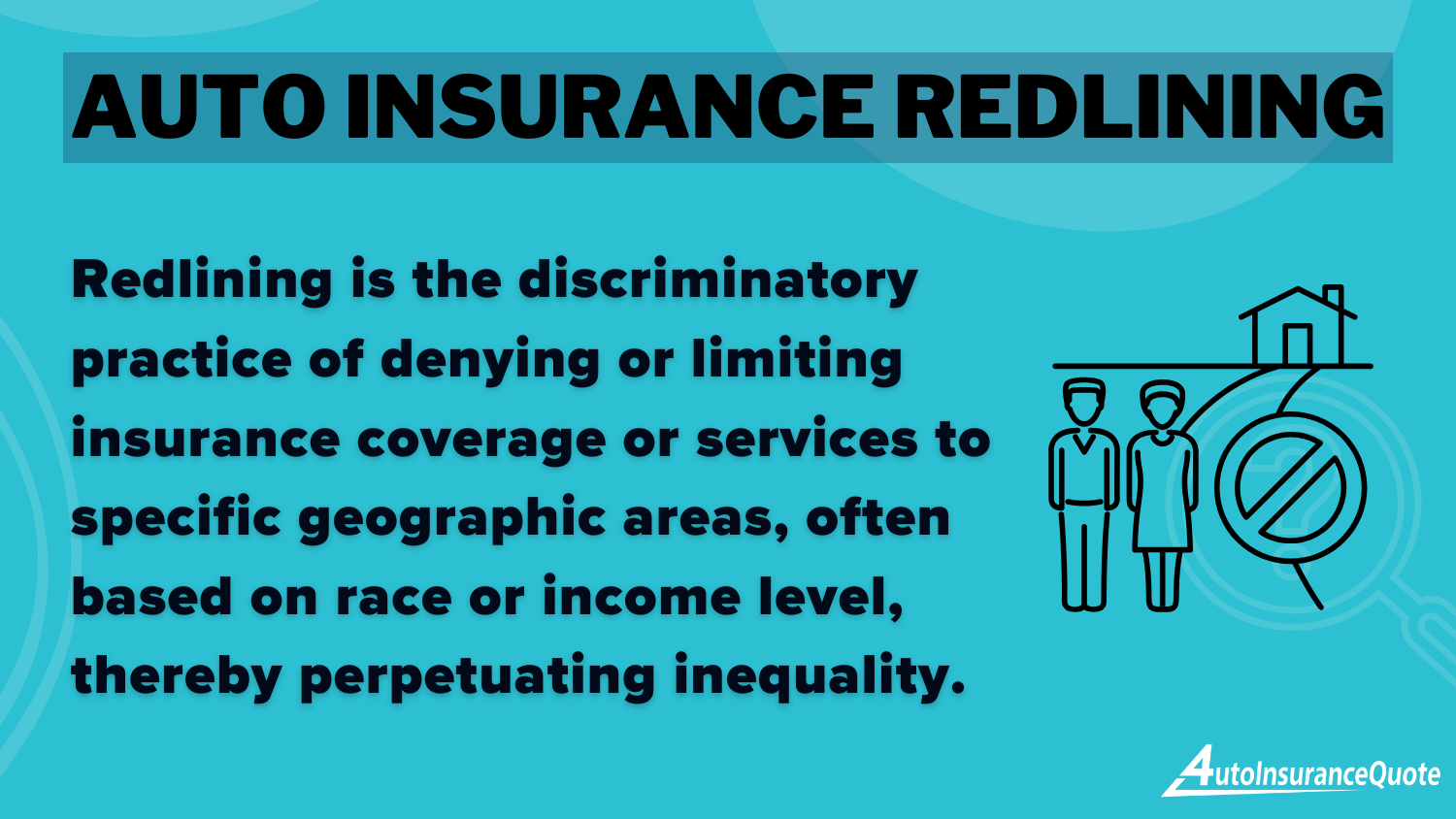
Even though laws like the Fair Housing Act and the Civil Rights Act ban race-based discrimination, studies show that drivers in mostly Black neighborhoods still pay about $154 more per year than those in mostly white areas. Only 11% of this price difference is due to actual risk factors.
Some states, like California and Michigan, have strict rules to stop companies from using ZIP codes as a main factor, but many still find ways to charge more for auto insurance in certain areas.
To get the best rates, it helps to compare different companies. Progressive, Geico and State Farm are known for offering good prices based on driving history, not just location.
Use our free comparison tool to see what auto insurance quotes look like in your area.
- Auto insurance redlining raises rates in minority and low-income areas
- Studies show Black neighborhoods pay more, even with similar risks
- Shopping around helps avoid redlining and get better rates
Auto Insurance Redlining: Explained
Redlining in insurance definition means charging higher auto insurance rates based on where someone lives instead of their driving history. Insurers can legally consider crime rates and accident data, but U.S. law bans discrimination based on race, ethnicity, or income.
Auto insurance redlining unfairly raises rates in minority and low-income neighborhoods, despite laws banning race-based discrimination.
Karen Condor Insurance and Finance Writer
The Fair Housing Act and the Civil Rights Act make it illegal for insurers to deny coverage or unfairly raise rates in certain communities. Some states, like California and Michigan, have strict rules against using ZIP codes as the main factor for pricing.
Examples of Auto Insurance Redlining in Different States| State | Details |
|---|---|
| Alabama | Higher premiums in Birmingham's Black areas |
| Alaska | Limited options in rural, indigenous areas |
| Arizona | Higher premiums in Hispanic neighborhoods |
| Arkansas | Disparities between urban and rural rates |
| California | Boosted premiums in LA, Oakland |
| Colorado | Redlining in some low-income areas |
| Connecticut | Augmented premiums in Bridgeport |
| Delaware | Disparities based on ZIP codes |
| Florida | Surging premiums in Miami's minority areas |
| Georgia | Increased premiums in Atlanta's Black areas |
| Hawaii | Limited coverage in rural areas |
| Idaho | Higher premiums in rural areas |
| Illinois | Disparities in Chicago’s minority communities |
| Indiana | Urban minorities face higher premiums |
| Iowa | Boosted premiums for immigrant areas |
| Kansas | Increased rates in Black-majority neighborhoods |
| Kentucky | Elevated rates in urban, minority areas |
| Louisiana | Exorbitant premiums in New Orleans |
| Maine | Raised premiums in rural areas |
| Maryland | Higher rates in Baltimore's Black areas |
| Massachusetts | Disparities based on neighborhood demographics |
| Michigan | Skyrocketing premiums in Detroit's Black areas |
| Minnesota | Increased premiums in immigrant areas. |
| Mississippi | Higher rates in Black-majority neighborhoods |
| Missouri | Disparities in St. Louis, KC |
| Montana | Amplified premiums in rural areas |
| Nebraska | Disparities between Omaha and rural areas |
| Nevada | Exorbitant premiums in Las Vegas' minority areas |
| New Hampshire | Higher premiums in urban, low-income areas |
| New Jersey | Augmented premiums in Newark, Jersey City |
| New Mexico | Redlining in rural Hispanic areas |
| New York | Surging premiums in urban areas. |
| North Carolina | Increased premiums in Charlotte's Black areas |
| North Dakota | Skyrocketing premiums in rural, indigenous areas |
| Ohio | Disparities in Cleveland and suburbs |
| Oklahoma | Boosted rates in Tulsa, Oklahoma City |
| Oregon | Higher premiums in Portland's immigrant areas |
| Pennsylvania | Exorbitant premiums in Philadelphia's Black areas |
| Rhode Island | Raised premiums in urban immigrant areas |
| South Carolina | Amplified premiums in Charleston's Black areas |
| South Dakota | Higher premiums in rural areas |
| Tennessee | Increased premiums in Memphis' minority areas |
| Texas | Skyrocketing premiums in Houston, Dallas |
| Utah | Higher rates in rural, indigenous areas |
| Vermont | Limited providers in rural areas |
| Virginia | Augmented premiums in Richmond’s Black areas |
| Washington | Higher premiums in Seattle's immigrant areas |
| West Virginia | Raised premiums in rural areas |
| Wisconsin | Surging premiums in Milwaukee's Black areas |
| Wyoming | Higher premiums in rural areas |
Still, redlining in insurance is a problem. Many people deal with redline car insurance, where location unfairly affects their rates. Legal action, like redlining a finance settlement, helps victims fight back. Regulations in redline finance banking also work to stop unfair practices in insurance and lending.
Check out the auto insurance quotes by vehicle to see how your car’s make and model impact your rates and find the best coverage for your needs.
Free Insurance Comparison
Compare Quotes From Top Companies and Save
The Origin of Redlining
Where did redlining originate? The term came from sociologist John McKnight in the 1960s when he saw banks refusing to invest in certain neighborhoods, mainly Black communities. They used red lines on maps to mark areas where loans and insurance were restricted.
Auto Insurance Redlining Monthly Rates by Provider| Insurance Company | Monthly Rates |
|---|---|
 | $155 |
 | $158 |
 | $175 |
 | $145 |
 | $165 |
 | $168 |
 | $160 |
 | $150 |
 | $170 |
 | $130 |
What is redlining? It’s when banks or insurance companies deny or overcharge people based on where they live instead of real risk. Insurance redlining happens when auto insurers refuse coverage or raise rates in certain neighborhoods, even for good drivers.
In the 1980s, journalist Bill Dedman exposed mortgage discrimination, showing that banks would approve loans for low-income white applicants but deny them to middle-income Black applicants. His report, The Color of Money, revealed how redlining blocked financial opportunities for some communities.
Laws like the Fair Housing Act and the Civil Rights Act were passed to stop insurance redlining and similar unfair practices.
Read more: 10 Best Auto Insurance Companies
Auto Insurance Redlining Nowadays
Insurance companies claim redlining is still practiced as a thing of the past since they can’t legally use race or ethnicity to set rates, but some drivers still feel its effects.
Instead of race, insurers use ZIP codes to set prices. This is how redlining is often justified, as they claim it’s based on crime and accident rates. However, when redlined neighborhoods are mostly minority areas, it can appear discriminatory.
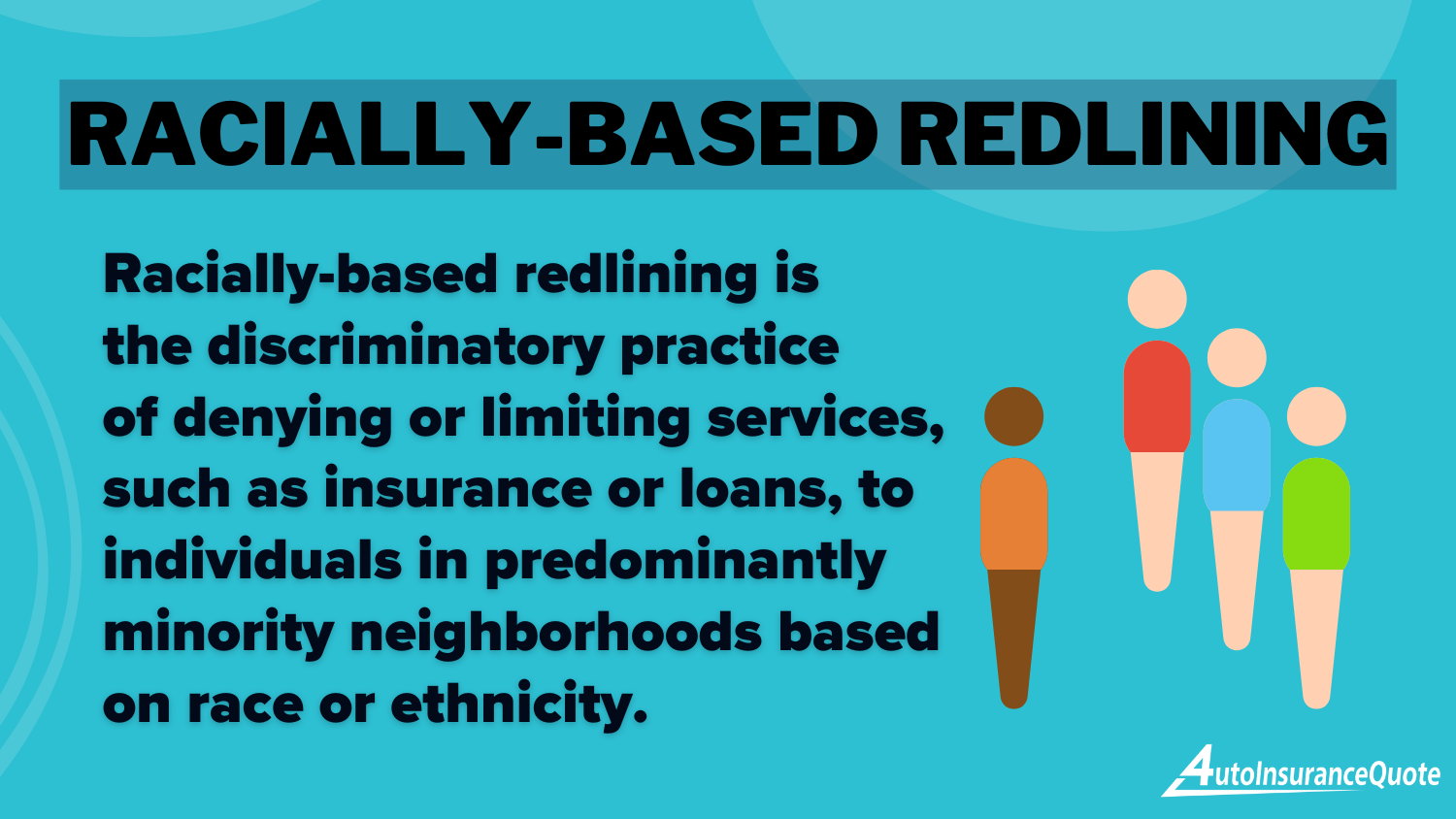
A study found that urban auto insurance costs were higher in low-income Black communities. On average, drivers in these areas paid $154 more than those in white or higher-income neighborhoods. Only 11% of this gap was linked to actual risk.
Even with legal protections, redlining still occurs through ZIP code pricing, making insurance more expensive for some neighborhoods.
Read more: Auto Insurance Claims
Understanding Redlining in the Insurance Industry
What is redlining in insurance, and why is it a critical issue? Redlining insurance is a discriminatory practice where insurance companies deny coverage or charge higher premiums based on geographic location, typically affecting minority neighborhoods.
The redlining insurance definition highlights the systemic nature of this issue, where insurers engage in redlining in insurance by unfairly assessing risk based on location rather than individual risk factors. This practice also referred to as red-line insurance or redline insurance, leads to significant disparities in insurance accessibility and affordability.
Redlining car insurance or redlining a car involves similar discriminatory tactics in the auto insurance sector, where individuals in certain areas face higher premiums or denial of coverage.
These redlining practices in insurance reinforce socio-economic inequalities and limit opportunities for affected communities. To address these issues, it’s crucial to understand what redlining means in the modern context and to implement policies that promote fair and equitable treatment in the insurance industry.
Read more: Cheapest Auto Insurance Companies
Free Insurance Comparison
Compare Quotes From Top Companies and Save
The Impact of Redlining on Auto Insurance
Frequently Asked Questions
What is auto insurance redlining?
Auto insurance redlining is when insurers charge higher rates or deny coverage based on a neighborhood’s demographics rather than actual risk. This often affects minority and low-income areas, leading to unfair pricing.
How does auto insurance redlining work?
Auto insurance redlining involves insurance companies using demographic and geographic information, such as ZIP codes, to determine the premiums they charge for auto insurance. They may consider certain areas as high-risk based on factors like crime rates or accident statistics. This practice disproportionately affects residents of these areas, resulting in higher insurance rates or even denial of coverage. Start comparing total coverage auto insurance rates by entering your ZIP code here.
Is auto insurance redlining legal?
No, auto insurance redlining is illegal in many jurisdictions. In the U.S., for example, the Fair Housing Act and the Equal Credit Opportunity Act prohibit discrimination based on race, color, religion, national origin, sex, familial status, or disability. However, despite legal protections, redlining practices may still exist in some forms.
How does auto insurance redlining impact consumers?
Auto insurance redlining can have significant negative effects on consumers. It often leads to higher premiums for individuals living in certain neighborhoods, even if their personal driving history and risk factors are similar to those in other areas with lower rates. It can also limit access to affordable insurance options or result in denial of coverage altogether.
How can consumers identify if they are victims of auto insurance redlining?
Identifying auto insurance redlining can be challenging, as insurance companies are not transparent about their pricing methodologies. However, if you notice a significant disparity in insurance rates compared to individuals in nearby areas with similar risk profiles, it may be an indication of potential redlining. Consulting with an insurance professional or seeking legal advice can provide further clarity.
What steps can be taken to address auto insurance redlining?
To address auto insurance redlining, consumers can take the following steps:
- Research and compare insurance providers to find companies that do not engage in redlining practices.
- Advocate for stronger regulations and enforcement to prevent discrimination in insurance pricing.
- Report any suspected redlining incidents to the appropriate regulatory authorities.
- Support organizations working towards fair insurance practices and equal access to coverage.
Read more: Affordable High-Risk Auto Insurance
What information would you use to determine if an insurance company is redlining?
To determine if an insurance company is redlining, you would analyze data on the approval rates, pricing, and coverage options offered to customers in different geographic areas, particularly focusing on predominantly minority neighborhoods. Additionally, reviewing complaints, legal cases, and regulatory reports can provide insights into discriminatory practices.
Does redlining still exist?
Yes, redlining still exists in various forms, although it is illegal. Modern forms of redlining can be more subtle, involving higher premiums or denial of coverage based on geographic location rather than overtly stated racial or ethnic criteria.
What does redlining mean in insurance?
In insurance, redlining refers to the discriminatory practice where insurers refuse to offer policies or charge higher rates to residents of certain areas based on racial or ethnic composition. This practice leads to unequal access to insurance and financial services for minority communities.
Read more: Assigned Risk Auto Insurance
Where did redlining originate?
Redlining originated in the United States in the 1930s when the Home Owners’ Loan Corporation (HOLC) created maps to assess the risk of real estate investments. Neighborhoods with higher populations of African Americans and other minorities were outlined in red and deemed high-risk, leading to widespread denial of loans and insurance.
Related Articles
-
Feb 2025

Auto Insurance Inquiry vs. Auto Insurance Claim: Simply Explained (2026)
-
Feb 2025
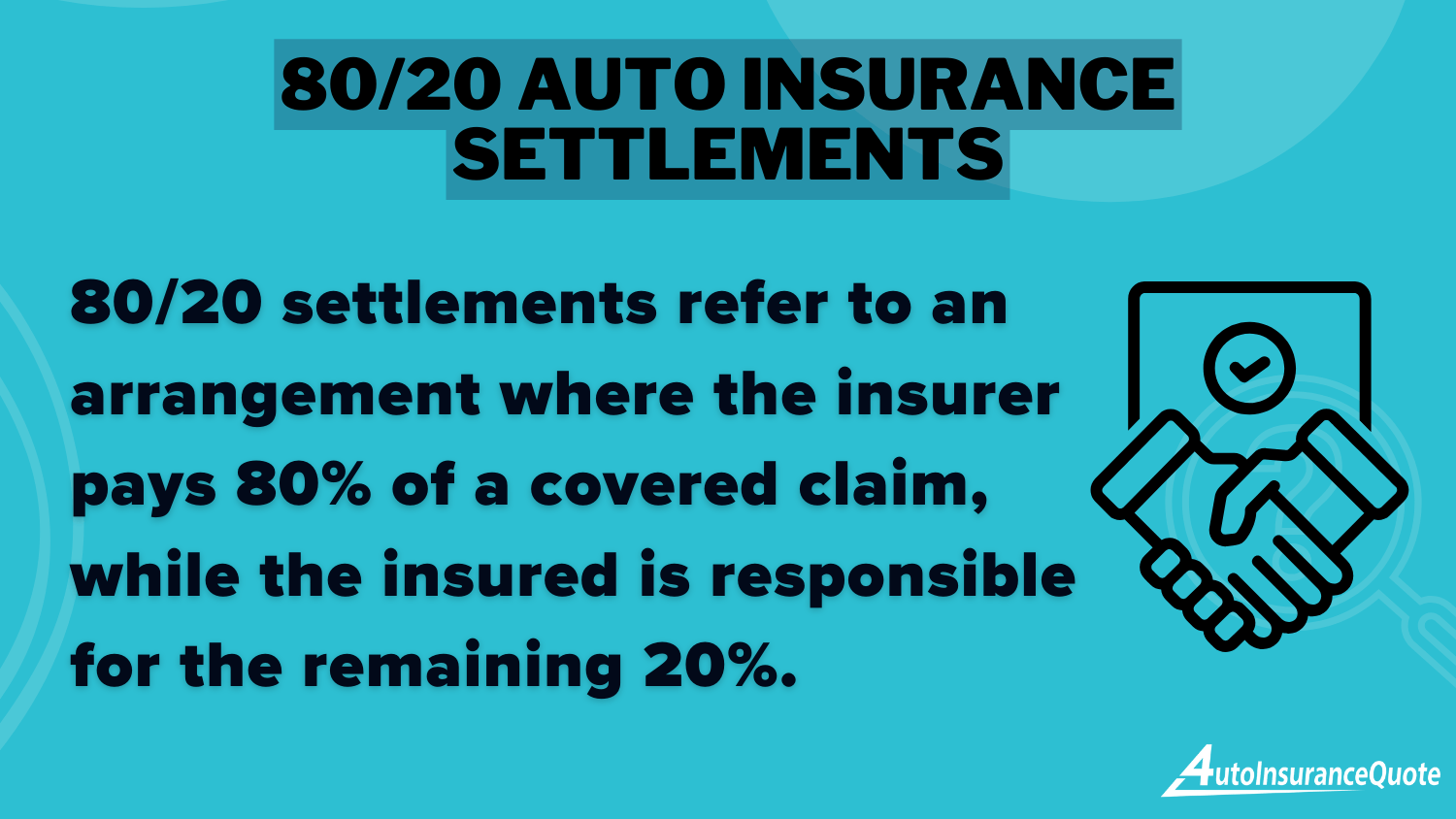
80/20 Auto Insurance Settlements in 2026 (Complete Guide)
-
Mar 2025
What information do I need to file an auto insurance claim with Progressive?
-
Feb 2025
Do you need auto insurance before you buy a car?
-
Mar 2025
Do you have to tell your insurer about old car accidents?
-
Mar 2025
What do I need to do to cancel my auto insurance policy with Root Insurance?
Get a FREE Quote in Minutes
Insurance rates change constantly — we help you stay ahead by making it easy to compare top options and save.