

Vehicle History and Its Effect on Auto Insurance Rates (2026)
Vehicle history is one of the main things that insurance companies look at when determining yourauto insurance rates or premiums. Most notably, they look at whether or not it's been in any accidents and if so, how many, and how many times it's been in for repairs. Insurance companies will look at a vehicle history report using its VIN number to determine the risk of insuring your vehicle, and therefore, the premiums you will pay to insure it. Use our tool below to calculate some car insurance quotes for your vehicle's history.
Read more Secured with SHA-256 Encryption






Find the Lowest Car Insurance Rates Today
Quote’s drivers have found rates as low as $42/month in the last few days!




Table of Contents
Table of Contents

Former State Farm Insurance Agent
Benjamin Carr worked as a licensed insurance agent at State Farm and Tennant Special Risk. He sold various lines of coverage and informed his clients about their life, health, property/casualty insurance needs. Assessing risks and helping people find the best coverage to suit their needs is a passion of his. He appreciates that insurance was designed to protect people, particularly during times...
Benjamin Carr

Licensed Insurance Agent
Heidi works with top-rated insurance carriers to bring her clients the highest quality protection at the most competitive prices. She founded NoPhysicalTermLife.com, specializing in life insurance that doesn’t require a medical exam. Heidi is a regular contributor to several insurance websites, including FinanceBuzz.com, Insurist.com, and Forbes. As a parent herself, she understands the need ...
Heidi Mertlich
Updated March 2025
One of the major things auto insurance companies look at when determining your insurance premiums is your vehicle’s history, most notably:
- Has it been in any accidents? How many?
- How many times has it been in for repairs?
Insurance companies will look at a vehicle history report (looking up each vehicle using its VIN number) to determine the risk of insuring your vehicle, and therefore, the premiums you will pay to insure it. A clean vehicle history report is one of many things that can positively influence your insurance rates. An ugly one, on the other hand, will make your bank account bleed.
Read more: What are auto insurance premiums?
Salvage Titles Could Mean Trouble
On this vehicle history report, you better hope that your vehicle does not have a salvage title. A salvage title is a type of title that notes the vehicle in question has been severely damaged or even deemed to be a total loss by an insurance company (after that insurance company paid a claim on that vehicle). If a vehicle has a salvage title, many insurance companies will refuse to insure it (and in the United States, where auto insurance required by law, having insurance is a must). Other insurance companies will need indisputable proof that the issues noted on the salvage title are fully repaired before agreeing to insure you.
If having a salvage title is not an issue for you, and you are still able to get your car insured, a vehicle history report that shows other minor issues is also something to worry about. Although these will most likely not have a huge effect on your insurance premiums, they could be a bad omen signaling issues in the future. If there are multiple issues appearing, you might want to think twice about purchasing said vehicle.
Read more: .
Free Insurance Comparison
Compare Quotes From Top Companies and Save
Secured with SHA-256 Encryption
Research Used Vehicles Before Buying
Because insurance companies place such an importance on vehicle history, you should always do your research on a used vehicle before purchasing it. By reading vehicle history reports, you are able to know as much about a used vehicle as they have on record. These reports not only show whether or not the car has a salvage title, but it will also include information on accidents, repairs, routine maintenance, and even thefts.
If you are looking to purchase a used car, you probably should make sure some of the more serious issues (such as whether a vehicle as any liens on it, or whether or not it has extreme structural damage) are either fixed or non-existent. These vehicle history reports can also tell you if there are pending issues that still have yet to be fixed; for example, if the vehicle has been recalled by the manufacturer but still has yet to be in for these repairs.
Different Vehicle History Report Agencies
Not all vehicle history reports are created equal, however. You should familiarize yourself with the differences between these reports so you know what you are getting when you purchase them. Let’s take a look at some of the more popular choices:
- National Motor Vehicle Title Information System History Report – These reports, made available by the American Association of Motor Vehicle Administrators tracks titles of vehicles across the United States. They also include information regarding reported problems and service dates.
- CarFax – CarFax is probably the most well-known vehicle history report in the automotive industry. Offering detailed reports for as little as thirty-five dollars, Carfax collects information from over 34,000 sources. It includes title information, service reports, problems reported, and odometer readings. Many used auto dealers offer a free CarFax report whenever you are serious about purchasing a vehicle from them.
- Experian Automotive AutoCheck – Using these reports, you can see whether or not an insurance company declared a vehicle as a “total loss.” This can occur if the vehicle was involved in a fire, was rebuilt, or was issued a salvage title. These reports also include title information as well as other service and repair reports.
- CLUE Report – This report is less of a vehicle history report and more of an insurance history report. It checks a national database of insurance providers to show all claims made against a vehicle. The CLUE Report can show any new insurer about claims filed with a previous insurer.
You should definitely take a look at at least one vehicle history report before purchasing a used vehicle. Most experts recommend running a CarFax report in addition to having a trusted mechanic do a thorough inspection. After all, vehicle history reports aren’t 100% accurate. There are some times when these reports are missing some important information, especially in cases where previous repair work was done off the record books.
To ensure you are getting the best possible auto insurance rates for your vehicle, make sure your vehicle does not have any glaring stains on its vehicle history report. If it’s too late, make sure you get everything repaired until it’s in “like new” form. After your car is in tip-top shape, you can get insurance quotes from a variety of providers to find the best possible price for your “healthy” vehicle. There are many sites, including this one, that offer free auto insurance quotes by vehicle after a brief questionnaire.
Frequently Asked Questions
How does a vehicle’s history affect auto insurance rates?
A vehicle’s history can have an impact on auto insurance rates. Insurance companies consider factors such as the vehicle’s age, make, model, mileage, and any previous accidents or damage. A history of accidents or extensive damage can result in higher insurance premiums as it indicates a higher risk for future claims.
Will my auto insurance rates be affected if I purchase a used car?
Yes, purchasing a used car can affect your auto insurance rates. Insurance companies assess the vehicle’s history, including past accidents or damage, to determine the risk associated with insuring it. If the used car has a history of accidents or damage, your insurance premiums may be higher compared to a car with a clean history.
Can I get insurance for a salvaged or rebuilt vehicle?
Yes, it is possible to get insurance for a salvaged or rebuilt vehicle. However, it may be more challenging and potentially more expensive. Insurance companies typically consider salvaged or rebuilt vehicles as higher risks due to their prior damage history. It’s essential to disclose the salvage or rebuilt status when obtaining insurance quotes to ensure accurate coverage.
Will my insurance rates be affected if I purchase a vehicle with a branded title?
Yes, purchasing a vehicle with a branded title can impact your insurance rates. A branded title indicates that the vehicle has undergone significant damage or was declared a total loss by an insurance company. Insurance companies typically view branded title vehicles as higher risks, leading to potentially higher insurance premiums.
Can I lower my insurance rates if my vehicle’s history improves over time?
Yes, as your vehicle’s history improves over time, you may be eligible for lower insurance rates. Insurance companies typically reassess your premiums during policy renewal or when you provide updated information. If your vehicle’s history shows a decrease in accidents, damage, or other risk factors, insurance companies may offer lower rates based on the improved history.
Related Articles
-
Oct 2024

What type of used car has the cheapest auto insurance rates?
-
Oct 2024

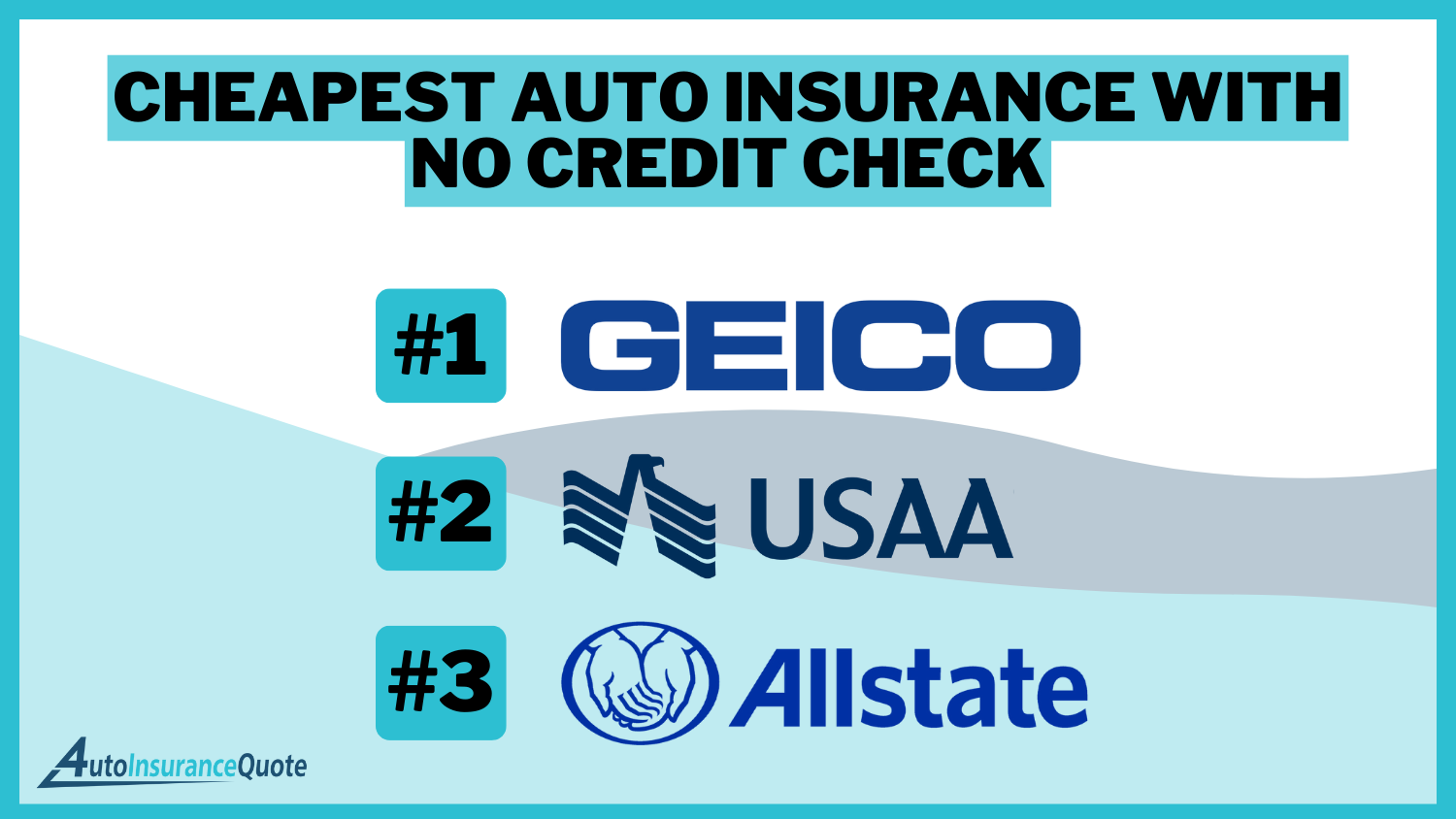
Cheapest Auto Insurance With No Credit Check in 2026 (Top 8 Low-Cost Providers)
-
Mar 2025
Do gay men pay more for auto insurance?
-
Dec 2024
Best Low-Mileage Auto Insurance Discounts in 2024 (Save up to 25% With These Companies)



Get a FREE Quote in Minutes
Insurance rates change constantly — we help you stay ahead by making it easy to compare top options and save.
Secured with SHA-256 Encryption